


About James Fair
Journalist and writer

James is a highly experienced environmental journalist specialising in the field of wildlife conservation.
Previously a writer and editor on BBC Wildlife Magazine, he has been freelance since 2018 and now writes for a wide range of publications, including BBC Wildlife, BBC Countryfile and BBC Science Focus Magazines, specialist environmental websites ENDS Report and mongabay.com and Inkcap Journal.
Recent assignments include travelling to Antarctica to report on the work of scientists studying humpback whales and to Tiree, in the Inner Hebrides, to record the unusual song of the rare corncrake.
He also writes about issues relating to rewilding, natural capital and ecosystem services and the legal and illegal wildlife trades. He regularly records podcasts for BBC Countryfile.
James is the editor of Wildlife World, the membership magazine of the conservation charity the People’s Trust for Endangered Species, and has worked as a copywriter for the tour operator Wildlife Worldwide and researched and written a report on blue carbon for the Marine Conservation Society.

James Fair
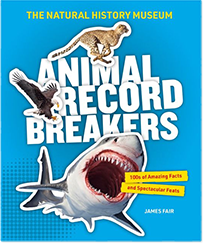
James's latest book was published by the Natural History Museum in 2022.


Making waves
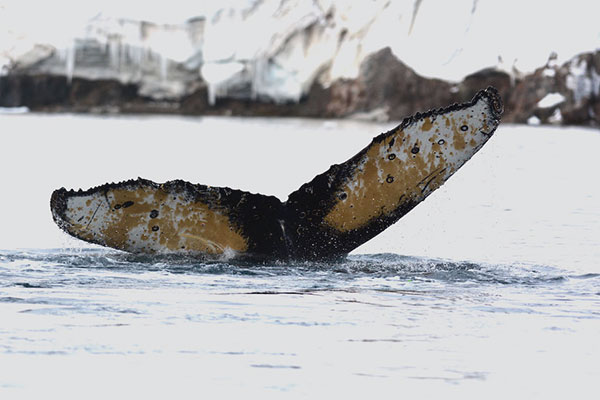
How do you study a gigantic mammal that migrates over thousands of miles and spends most of its time underwater?
In March 2023, James travelled to Antarctica to find out how scientists working in the most remote location on Earth study its greatest animals. As it turned out, they use high-tech gizmos that attach to the whales’ flanks, drones and... crossbows.

Is this Britain's loneliest rainforest?
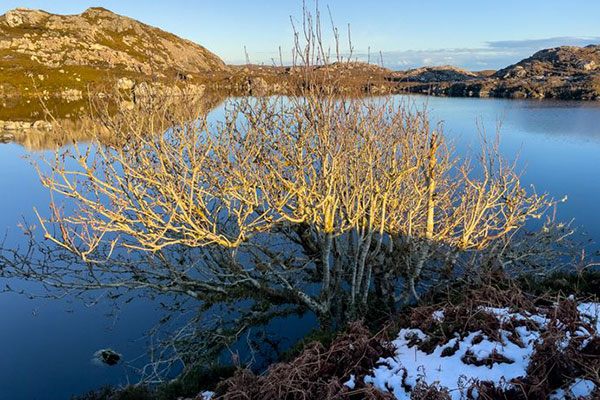
On the bare landscape of Harris, a small copse inspires hope for the revival of an ecosystem.
On New Year’s Day 2023, two wildlife film-makers came across a small copse beside a loch on the Isle of Harris in the Outer Hebrides and dubbed it “Britain’s loneliest rainforest”. James spoke to them about why they were so excited about the discovery and what made it so special.

Podcast
A quest to hear the mysterious corncrake on the island of Tiree
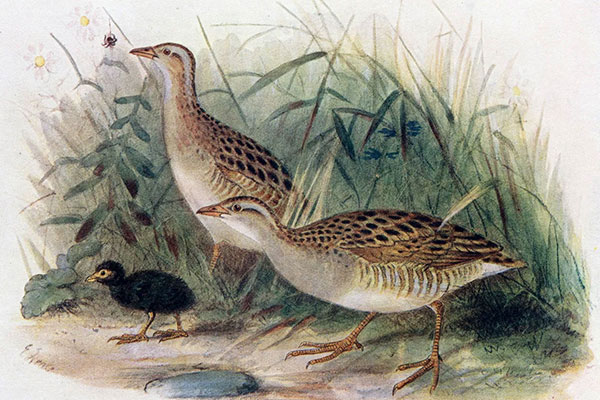
In the 1800s, the sound of the corncrake in the British countryside was as ubiquitous as the blackbird’s is today. Then, in the 20th century, it completely disappeared. Luckily, there’s one place where corncrakes are still found in good numbers – James travelled to Tiree, in the Inner Hebrides, to meet the local expert and record their rasping call.

Scotland changes course to save its last native wildcats
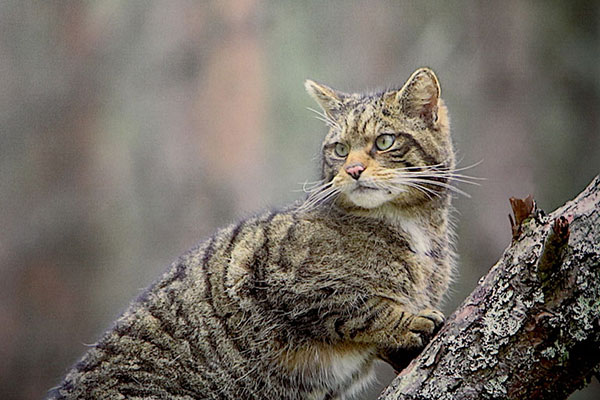
The European wildcat has been put into an “intensive care” program of captive breeding and reintroduction in Scotland.
The Scottish wildcat is on the brink of extinction, but conservationists have a plan to save it – captive breeding and then releasing wildcat kittens into Cairngorms National Park. But as James discovered when researching this piece, there is considerable disagreement over whether this is the best course of action.

Have we lost one of the great conservationists of our time?
Does the succession of King Charles III mean we’ve lost one of the great conservationists of our time?
Once upon a time, the current king was mocked for crackpot ideas about homeopathy and his surprise admission that he talked to plants. But as James discovered when researching this piece, wildlife experts have long admired his dedication to wildlife conservation and broader environmental causes.

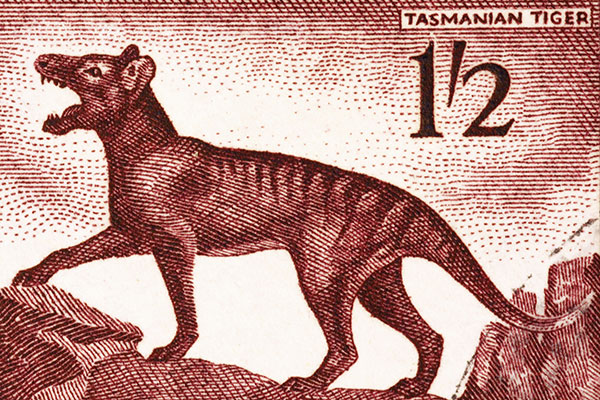
Is the Tasmanian Tiger really extinct?
The thylacine became extinct in the 1960s. Or did it?
After visiting Tasmania twice in the early 2000s to write about its wildlife, James has long been fascinated by the prospect of the Tasmanian tiger or thylacine – a wolf-like, meat-eating marsupial – still surviving in remote parts of the island. Then in 2021, he came across research that suggests it could be.
Contact James
Call: 07766 706 358

© James Fair
| all rights reserved

Website by Elizabeth Walsh